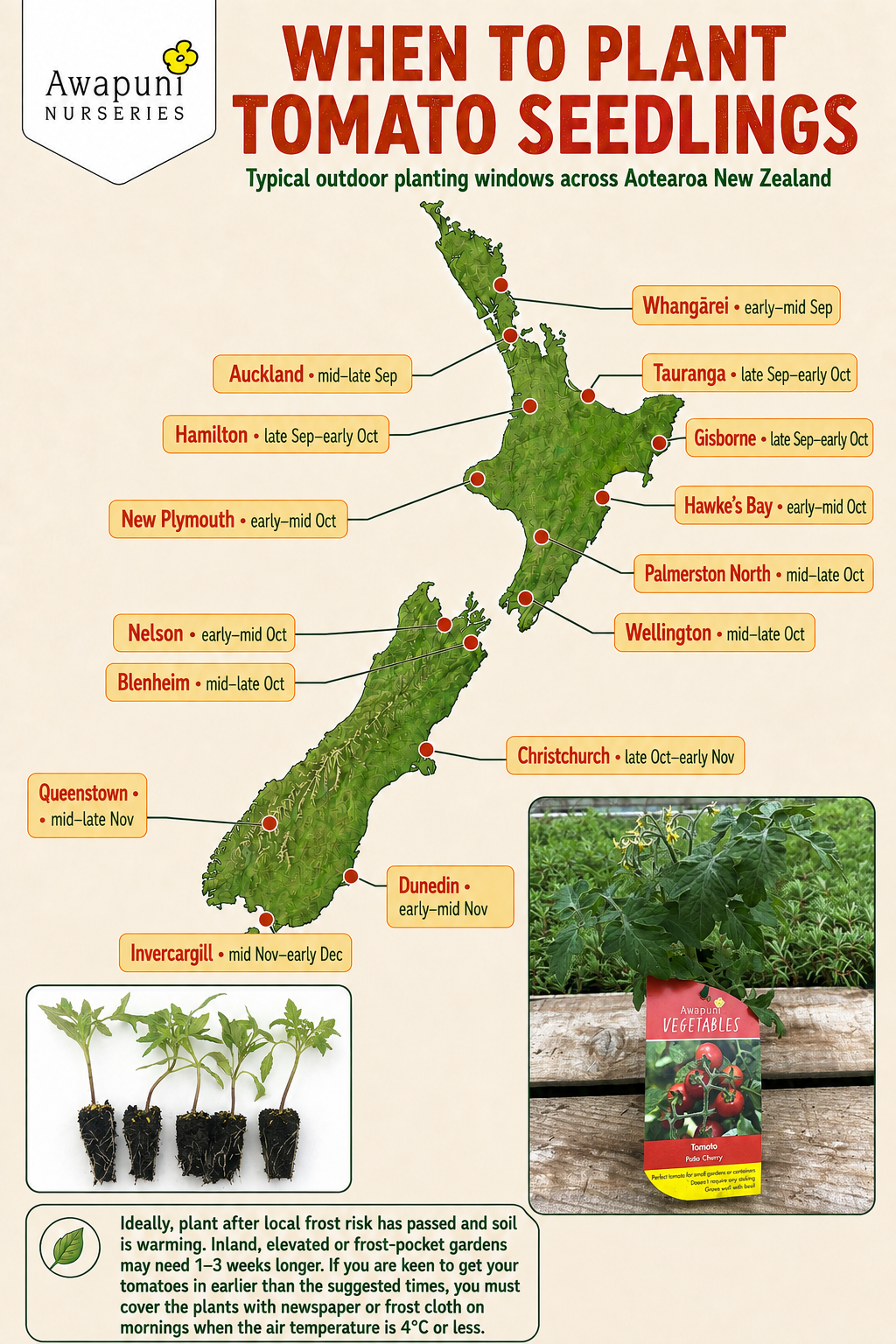
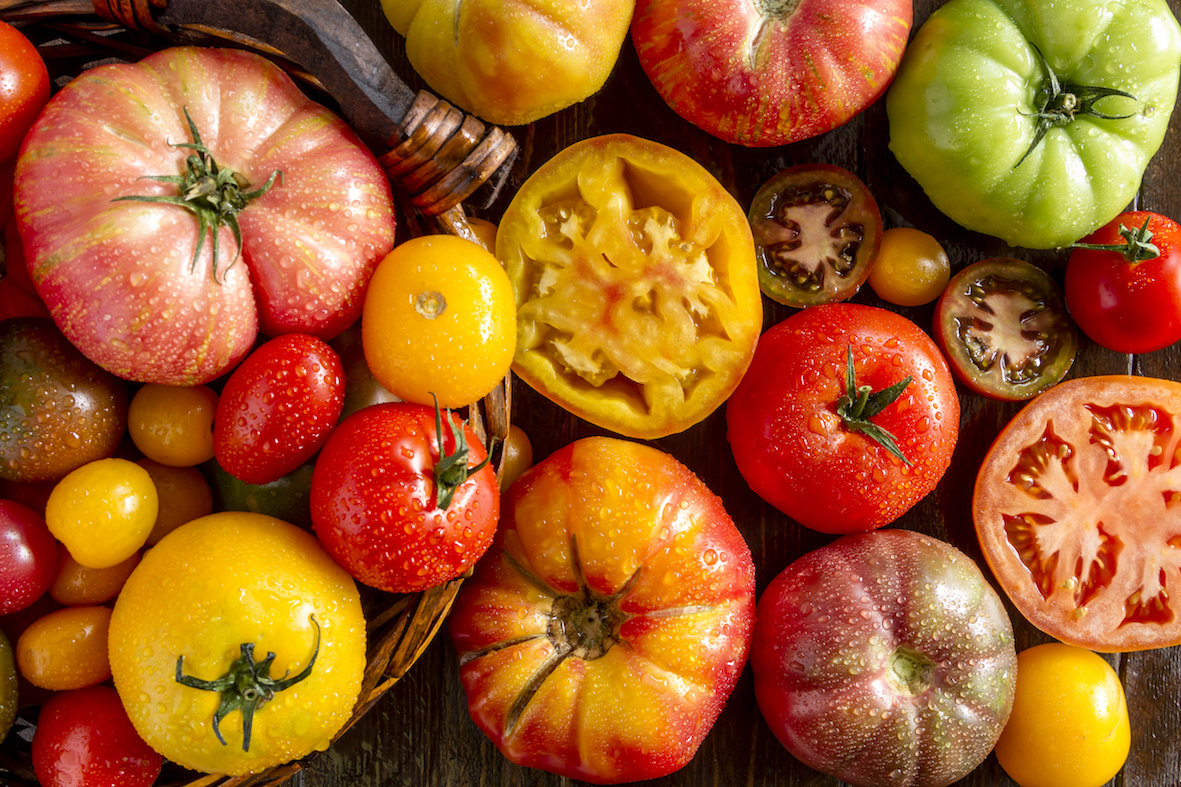
In New Zealand, getting that first juicy harvest starts with planting your tomato seedlings at the right time—and that timing can vary considerably depending on where you live.
In warmer northern areas, tomatoes may go into sheltered gardens, tunnel houses, greenhouses during September. In southern or frost-prone locations, waiting until November or even early December can produce much better results.
Ideally, plant after the local frost risk has passed and the soil is warming. Inland, elevated or frost-pocket gardens may need 1–3 weeks longer. If you’re keen to plant earlier than the suggested times, cover your plants with newspaper or frost cloth on mornings when the air temperature is 4°C or lower.
Here is Awapuni Nurseries’ practical guide to planting tomato seedlings throughout New Zealand.
Planting time matters
Tomatoes are warm-season plants. They love some sun! They grow best when the soil is warming, daytime temperatures are comfortable and cold nights are becoming less frequent.
A seedling planted into cold, wet soil may survive, but it can sit without growing for several weeks. Cold conditions can also stress young plants, damage foliage and make them more susceptible to disease. A tomato planted a little later into warm soil will often catch up with—or overtake—one planted too early.
The most important rule is simple: plant tomato seedlings outdoors after the risk of frost has passed in your garden.
This matters because conditions can vary even within the same town. A sheltered coastal garden may be ready several weeks before an inland property, elevated section or low-lying frost pocket.
Upper North Island: September planting
Whangārei gardeners can generally begin planting tomato seedlings outdoors from early to mid-September.
In Auckland, mid to late September is a dependable starting point for most gardens. Planting in early September can work in a warm, sunny and sheltered position, particularly if you can protect the seedlings when a cold night is forecast. It's best to order your tomato seedlings around early September and allow some time for dispatch and delivery.
Hamilton gardeners may be better waiting until late September or early October. Although Hamilton is well north, inland gardens can experience colder nights and heavier frosts than nearby coastal areas.
Tauranga’s milder coastal climate often allows planting from late September to early October. Choose a sunny position protected from strong wind and keep an eye on overnight temperatures.
East Coast and central North Island
Gisborne gardeners can usually plant from late September to early October, provided the garden is frost-free.
In Hawke’s Bay, early to mid-October is generally safer. The region enjoys plenty of sunshine, but inland and low-lying gardens can still experience late frosts.
New Plymouth’s typical outdoor planting window is early to mid-October. Coastal gardens may warm earlier, while properties closer to the mountain or in exposed locations may need to wait longer.
For Palmerston North, mid to late October is a sensible guide. Frost pockets around Manawatū can remain cold even when daytime temperatures feel pleasantly spring-like.
Wellington and the upper South Island
Wellington gardeners can normally plant tomatoes from mid to late October. Frost may be less of a concern in many coastal suburbs, but strong winds can damage tender seedlings. A sunny, sheltered position against a north-facing fence or wall can make a significant difference.
Nelson’s warm, sunny climate often allows planting from early to mid-October.
Nearby Blenheim is generally suited to planting from mid to late October. However, inland Marlborough gardens should still watch for cold nights and late frosts.
Canterbury and the lower South Island
In Christchurch, late October to early November is the traditional safe period for planting tomatoes outdoors. Coastal and sheltered urban gardens may be ready slightly earlier, while colder inland Canterbury gardens may need another week or two.
Dunedin gardeners should generally wait until early to mid-November. Look for the warmest part of the garden, with plenty of sun and shelter from cold southerly winds.
In Queenstown and other parts of Central Otago, mid to late November is usually more reliable. Frost can occur surprisingly late, so keep frost cloth ready even after planting.
For Invercargill and Southland, the best outdoor planting window is generally from mid-November through to early December. Tomatoes need the warmest, sunniest and most sheltered position available. Growing compact varieties in large pots can be useful because the plants can be moved under cover when cold weather threatens.
How to tell when your garden is ready
Regional dates are useful, but your own garden should make the final decision. Before planting, check that:
* Frost risk has largely passed.
* The soil no longer feels consistently cold and waterlogged.
* Night temperatures are becoming milder.
* Your seedlings have been hardened off.
* You have a position receiving at least six hours of direct sunlight.
* Frost protection is available if you are planting early.
Harden seedlings by gradually exposing them to outdoor conditions over several days. Start with a few sheltered hours and slowly increase their time outside before planting permanently.
Give tomatoes a strong start
Prepare the soil with compost or other well-rotted organic matter. Plant seedlings deeply enough to cover part of the lower stem, as tomatoes can produce additional roots from buried stems.
Add a stake at planting time to avoid disturbing the roots later. Water thoroughly, apply mulch once the soil is warm and maintain consistent moisture throughout the growing season.
Tomato planting dates are guides rather than strict deadlines. Watch your local weather, learn where frost settles in your garden and avoid rushing seedlings into cold soil.
Whether you are planting in Auckland during September or Invercargill in early December, a warm start gives Awapuni tomato seedlings the best opportunity to grow strongly and produce a generous summer harvest.
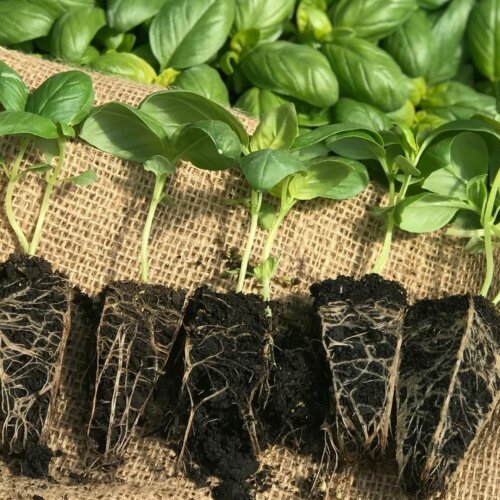
Plant tomatoes with basil, parsley and calendula. These are great companion plants that give them richer flavor and keep pests at bay.
Awapuni Nurseries offers direct delivery anywhere in NZ. Shop here.